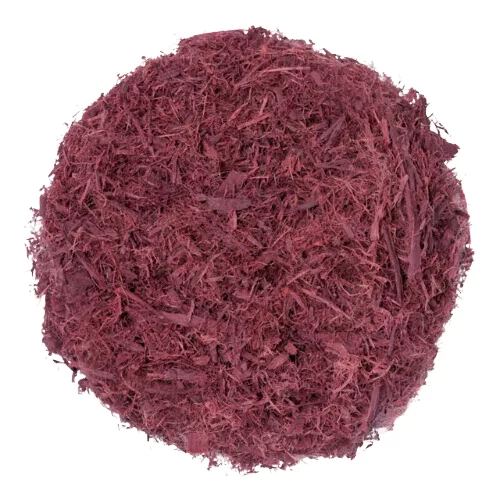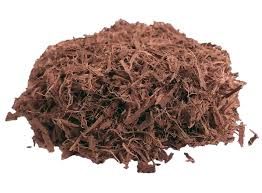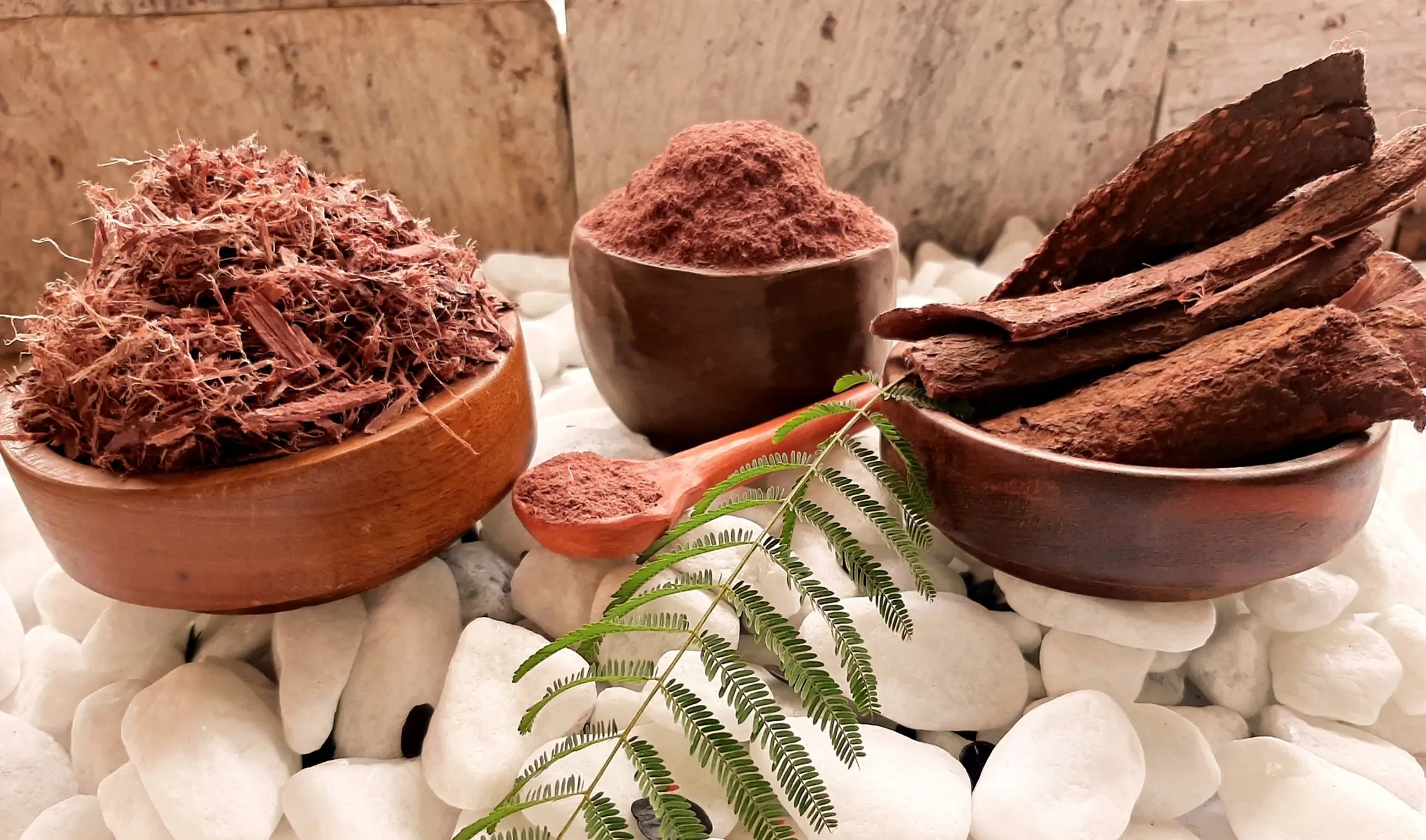
root bark

Root Bark Guide: Mimosa Hostilis & MHRB Powder

Root bark has become a widely searched botanical term due to its traditional, cultural, and commercial relevance—especially when referring to Mimosa hostilis root_bark and Mimosa tenuiflora root_bark powder. Across global markets such as the USA, buyers look for information on mimosa hostilis root_bark powder 1kg, pricing, sourcing, quality, and legal considerations.

This article provides a search-optimized, educational overview of mimosa root_bark, its forms, common uses, and how to identify reputable suppliers—without offering any illegal extraction or synthesis instructions.


What Is Mimosa Hostilis Root Bark?

Mimosa hostilis (also known as Mimosa tenuiflora, jurema preta, or tepezcohuite) is a perennial tree native to Brazil and parts of Central America. The root_bark of this plant is harvested, dried, and processed into various forms such as:

  • Mimosa hostilis root_bark powder
  • MHRB shredded
  • Root_bark powder
  • Mimosa tenuiflora bark powder

Search terms like mimosa root_bark, mhrb powder usa, and brazilian mimosa hostilis root_bark reflect growing global demand.


Mimosa Hostilis Root Bark Powder (MHRB)
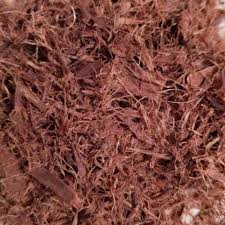
Root Bark

One of the most popular commercial forms is mimosa hostilis root bark powder, available in sizes such as:

  • Mimosa hostilis root bark powder 500g
  • Mimosa hostilis root bark powder 1kg
  • Mimosa hostilis root bark 10kg (bulk & wholesale)

Many users search for:

  • mimosa hostilis root_bark powder 1kg price
  • mimosa hostilis root_bark powder for sale
  • hostilis mimosa root_bark powder
  • wholesale mimosa hostilis root_bark

Powdered MHRB is often preferred for consistency, storage efficiency, and commercial resale.


Mimosa Tenuiflora vs Mimosa Hostilis

Botanically, Mimosa tenuiflora and Mimosa hostilis are the same species, though the names are used interchangeably depending on region and vendor.

Common keyword variations include:

  • Mimosa tenuiflora root_bark
  • Mimosa tenuiflora bark for sale
  • Buy mimosa tenuiflora root_bark
  • Mimosa tenuiflora root_bark powder

Understanding this naming overlap helps buyers avoid confusion when searching where to buy mimosa hostilis root_bark powder online.


Common Uses of Mimosa Root Bark

Historically and commercially, mimosa bark has been used for:

  • Natural dye production
  • Traditional ethnobotanical practices
  • Skincare and cosmetic formulations
  • Botanical research and education

Because laws vary by country and state, buyers in the USA frequently search:

  • mimosa hostilis root_bark usa
  • mhrb for sale usa
  • mimosa root_bark store

Always verify local regulations before purchasing or importing mimosa products.


Many online searches include terms such as:

  • DMT mimosa hostilis
  • Mimosa bark dmt
  • DMT from mimosa tree
  • Extraction of DMT from mimosa hostilis

Important: This article does not provide instructions, recipes, or guidance on how to extract, synthesize, or manufacture controlled substances. In many regions, such activities are illegal. Any information here is strictly educational and botanical in nature.


How to Choose a Trusted Mimosa Root Bark Supplier

When searching for:

  • Buy mimosa hostilis root_bark
  • MHRB powder for sale
  • Mimosa bark for sale
  • Jurema root_bark for sale

Look for vendors that offer:

  • Lab-tested or quality-verified bark
  • Clear origin (Brazilian mimosa hostilis root bark)
  • Transparent pricing and weights (1kg, 500g, bulk)
  • Discreet, legal shipping information

Popular search terms like mimosaroot.com, mimosa root_bark for sale, and buy mimosa bark reflect buyer intent—but due diligence is essential.


Frequently Asked Questions

What is root bark powder?
Root_bark powder is finely ground bark taken from the root system of certain plants, including mimosa hostilis.

Is mimosa hostilis legal in the USA?
The plant material itself may be legal to own, but usage matters. Laws vary by state and intent.

Where to buy mimosa hostilis root_bark powder?
Search for reputable botanical suppliers that comply with local and international laws.


Final Thoughts

Interest in mimosa hostilis root bark, mhrb powder, and mimosa tenuiflora root_bark powder continues to grow across the USA and global markets. Whether you’re researching ethnobotany, sourcing natural dyes, or exploring traditional plant knowledge, understanding root_bark quality, legality, and sourcing is essential.
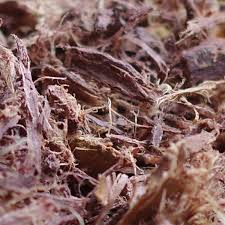
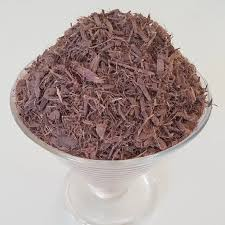
Mimosaroots

Mimosaroots: Benefits, Uses, and What You Should Know

Mimosaroots

Mimosaroots have been used for centuries in traditional practices, valued for their versatility and natural properties. Today, interest in mimosaroots continues to grow as more people explore plant-based materials for crafts, natural dyes, and ethnobotanical research. Understanding what mimosaroots are, where they come from, and how they’re commonly used can help you make informed decisions and avoid common misconceptions.

We’ll take a closer look at mimosaroots, their traditional background, practical applications, and important considerations for quality and sourcing.


What Are Mimosaroots?

Mimosaroots

Mimosaroots typically refer to the roots of the Mimosa genus, most commonly Mimosa hostilis (also known as Mimosa tenuiflora). This plant is native to regions of South and Central America, particularly Brazil and Mexico.

The root bark is the most well-known part of the plant. It has a long history of traditional use among indigenous cultures and has gained modern attention for its fibrous texture, rich tannin content, and natural pigment.


Traditional and Historical Uses

Historically, mimosaroots played an important role in indigenous communities. Some traditional uses included:

  • Skin-related applications in folk practices
  • Natural dyes for textiles and crafts
  • Cultural and ceremonial purposes
  • Soil restoration, as the Mimosa plant helps regenerate damaged land

These traditional uses contributed to the plant’s reputation as both practical and culturally significant.


Modern Uses of Mimosaroots

Today, mimosaroots are used in several non-medical and legal applications, especially in natural and craft-focused industries.

1. Natural Dye Production

Mimosaroot are valued for their deep purple and reddish pigments. Artisans use the powdered root bark to dye fabrics, yarns, and leather using traditional or eco-friendly dyeing methods.

2. Soap and Cosmetic Crafting

Some natural soap and skincare crafters incorporate mimosaroot for coloring purposes or botanical appeal. When used correctly, they can add a distinctive earthy tone to handmade products.

3. Ethnobotanical Research

Researchers and hobbyists interested in ethnobotany often study mimosaroots to better understand traditional plant use and cultural history.

4. Gardening and Reforestation Interest

The Mimosa tree itself is known for its ability to grow in poor soil and support land regeneration, making it relevant in environmental discussions.


Benefits Associated With Mimosaroots

While claims should always be approached carefully, mimosaroot are commonly associated with:

  • High tannin content
  • Strong natural pigmentation
  • Fibrous and durable root bark
  • Long shelf life when stored properly

It’s important to note that any medicinal or ingestible claims should be verified through credible scientific research and local regulations.


How to Identify High-Quality Mimosaroots

Mimosaroots

If you’re sourcing mimosaroot for legal and ethical uses, quality matters. Here’s what to look for:

  • Color: Rich reddish-purple tones usually indicate freshness
  • Texture: Dry but fibrous, not brittle or dusty
  • Aroma: Mild, earthy smell (not musty or moldy)
  • Origin transparency: Reputable sellers disclose sourcing practices

Ethical harvesting and sustainable sourcing are especially important due to rising demand.


Storage and Handling Tips

To maintain quality, mimosaroot should be stored properly:

  • Keep in a cool, dry place
  • Use airtight containers to prevent moisture
  • Avoid direct sunlight
  • Label clearly if powdered

Proper storage helps preserve color, texture, and usability over time.


Before purchasing or using mimosaroots, always check:

  • Local laws and regulations
  • Import/export restrictions
  • Intended use compliance

Laws vary widely by country and purpose, so staying informed protects both you and suppliers.


Final Thoughts

Mimosaroots continue to attract interest for their historical significance, natural properties, and practical applications in crafts and research. Whether you’re exploring natural dyes, studying ethnobotany, or simply learning about traditional plants, understanding mimosaroots from a factual and responsible perspective is key.

When sourced ethically and used legally, mimosaroot remain a fascinating example of how traditional plant knowledge still resonates in modern times.

Mimosa bark

Mimosa Bark: Mimosa Hostilis Root Bark, Powder, and Wholesale Options

Mimosa bark continues to attract global attention as one of the most researched ethnobotanical materials today. Derived from the mimosa hostilis root bark, this natural product plays an important role in traditional practices across South America. Over time, interest has expanded internationally, especially among buyers searching for mhrb powder, mimosa hostilis root bark shredded, and wholesale mimosa hostilis root bark.

As demand grows in regions such as North America, Europe, and Australia, buyers increasingly seek accurate information about sourcing, quality, and supplier credibility.


What Is Mimosa Bark?

Mimosa bark comes directly from the roots of the Mimosa hostilis tree, which many people also call hostilis mimosa or jurema preta. This resilient tree grows primarily in Brazil and Mexico, where local communities have valued it for generations.

Additionally, sellers and researchers often use different names for the same material, including:

  • Tenuiflora root bark
  • Mimosa hostilis root
  • Hostilis bark
  • Mimosa rootbark
  • Mimosa roots

Because of these variations, understanding terminology helps buyers avoid confusion when comparing suppliers.


Traditional and Modern Uses of Mimosa Hostilis Root Bark

Historically, indigenous cultures actively used mimosa hostilis root bark for practical and cultural purposes. For instance, communities applied it to natural dyeing, skincare preparations, and traditional rituals.

Today, interest has broadened considerably. As a result, modern buyers use mimosa_bark for:

  • Ethnobotanical research
  • Natural soap and cosmetic production
  • Textile and fabric dyeing
  • Academic and botanical study

Consequently, online searches for mhrb powder, m hostilis bark, and mimosa hostilis powdered continue to increase worldwide.

Important: Laws differ by country. Therefore, buyers should always confirm local regulations before purchasing or importing mimosa_bark products.


Powder vs Shredded Mimosa Bark: Key Differences

Mimosa Bark

Buyers often choose between powdered and shredded forms depending on their needs.

Mimosa Hostilis Root Barks Powder

Suppliers grind this form finely, which makes it easy to measure and blend. Because of its consistency, many people prefer it for cosmetics and dye applications. As a result, searches like mimosa hostilis root barks powder for sale and mhrb powder remain highly competitive.

Mimosa Hostilis Root Barks Shredded

Shredded bark, on the other hand, stays closer to its natural form. Therefore, it often lasts longer in storage and appeals to traditional users. Popular searches include mimosa hostilis root barks shredded and mhrb shredded.


Mimosa Hostilis Root Barks 1kg Price Overview

The mimosa hostilis root barks 1kg price varies widely across the market. Several factors influence pricing, including origin, processing method, and order size.

Moreover, pricing often depends on:

  • Brazilian versus Mexican sourcing
  • Powdered versus shredded bark
  • Retail purchases versus wholesale orders

For example, Brazilian mimosa hostilis root bark—often labeled as jurema preta powder—frequently commands higher prices due to its reputation for quality. In contrast, Mexican mimosa hostilis root bark may differ in cost because of availability and export logistics.


Buying Mimosa Bark Online: What Buyers Should Check

When people search for mhrb for sale, buy jurema, or mimosa root com, supplier evaluation becomes essential.

Therefore, buyers should always look for:

  • Clear origin and sourcing details
  • Accurate product descriptions
  • Transparent shipping and return policies
  • Verifiable customer feedback

Not surprisingly, searches such as mimosaroot.com reviews show that buyers want reassurance before placing an order. Checking independent reviews helps reduce risk and improves buyer confidence.


Wholesale Mimosa Hostilis Root Bark Options

Bulk buyers often seek wholesale options to reduce costs. Consequently, searches for wholesale mimosa hostilis root bark and mimosa hostilis root bark powder 1kg remain common.

Wholesale purchasing usually provides:

  • Lower cost per kilogram
  • Consistent supply availability
  • Direct sourcing from farms or cooperatives

However, responsible buyers also verify ethical harvesting practices and export compliance before committing to large orders.


Sourcing Regions and Global Demand

Primary Source Regions

Growers primarily harvest mimosa_bark from:

  • Brazil (commonly labeled as jurema preta)
  • Mexico
  • Select areas of Central America

High-Demand Buyer Markets

Meanwhile, demand remains strongest in:

  • United States
  • Canada
  • United Kingdom
  • Germany
  • Australia

Because customs laws vary by country, buyers should confirm import rules in advance to avoid delays or confiscation.


Frequently Asked Questions

What is mimosa_bark commonly used for?

People commonly use mimosa_bark for natural dyes, skincare products, soap-making, and ethnobotanical research.

Is jurema preta the same as mimosa hostilis?

Yes. Jurema preta refers to mimosa hostilis root bark, especially when sourced from Brazil.

What is the difference between powdered and shredded mimosa_bark?

Powdered bark offers easier processing, while shredded bark provides a more natural form and longer shelf life.

Where can buyers purchase mimosa hostilis root bark?

Buyers can find it through online ethnobotanical suppliers and wholesale vendors, subject to local laws.


Final Thoughts

Mimosa bark remains highly sought after due to its versatility, cultural background, and broad research interest. Whether you compare mimosa hostilis root bark powder for sale, evaluate mhrb powder, or read mimosaroot reviews, informed decisions make a clear difference.

Ultimately, buyers who prioritize ethical sourcing, legal compliance, and verified quality position themselves for a safer and more reliable purchasing experience.

Buy Jurema

Buy Jurema: Complete Guide 2025

Many people searching online for the term “buy Jurema” may not fully understand what Jurema is, its cultural significance, or the legal implications of obtaining it. The interest in this search term has grown significantly in recent years, often driven by curiosity about traditional South American practices, botanical research, or natural dyes. Before anyone considers purchasing Jurema, it’s essential to understand the plant’s history, uses, and regulations.

Jurema primarily refers to Mimosa tenuiflora (also known as Mimosa hostilis), a hardy tree native to northeastern Brazil and parts of Mexico. Its root bark has been historically used in various indigenous and Afro-Brazilian spiritual traditions. However, certain preparations of the plant contain psychoactive compounds, which makes its sale, possession, or use restricted or illegal in many countries. This is why searches for “buy Jurema” are often intertwined with legal concerns.


What Is Jurema?

Jurema is a medium-sized tree that thrives in arid and semi-arid climates. The tree is known for its thick, fibrous root bark, which has been used for centuries in traditional rituals and ceremonies. Botanically, Jurema belongs to the Fabaceae family, which includes many legumes and nitrogen-fixing plants. Its bark is rich in tannins, which also makes it useful for natural dyeing and leather treatment.

The botanical properties of Jurema have drawn interest from scientists studying natural compounds. Research has explored its tannins for dye production, potential medicinal uses, and ecological benefits. Its resilient root system helps prevent soil erosion and can contribute to reforestation projects in dry regions.


Cultural and Spiritual Importance

Jurema holds deep cultural significance in Brazil, particularly within Afro-Indigenous spiritual traditions such as Catimbó and Umbanda. In these contexts, the plant is not simply a botanical specimen but a sacred element used in rituals, ceremonies, and healing practices. Traditional use is highly structured, with the plant being treated with respect and care.

For centuries, Jurema has been used ceremonially for its symbolic and spiritual properties. It appears in historical records dating back to colonial Brazil and continues to play a central role in contemporary ritual practices. The plant is considered sacred, and its use is embedded in social, religious, and cultural norms.

Understanding these traditions is crucial when discussing searches for “buy Jurema”. Many people interested in the plant are drawn to its spiritual significance rather than its chemical properties.


Why People Search for “Buy Jurema”

The search phrase “buy Jurema” often appears in three main contexts:

  1. Ethnobotanical Research: Students, researchers, and botanists study Jurema as part of South American flora. They may be interested in its chemical composition, ecological role, or historical significance.
  2. Natural Dye and Craft Uses: The bark of Jurema produces a natural, reddish-brown dye used in textiles, leather, and traditional crafts. People searching for “buy Jurema” for these purposes are typically unaware of any psychoactive aspects of the plant.
  3. Curiosity About Psychoactive Properties: Some individuals search for Jurema because of its psychoactive compounds. However, this is where legal issues arise, as such uses are restricted or prohibited in many countries. Understanding the plant’s cultural significance and legal status is critical before attempting to obtain it.

The legality of Jurema varies significantly depending on your location. In many countries, parts of the plant — especially the root bark — are controlled due to the presence of psychoactive alkaloids. Even if the plant itself is not explicitly illegal, the intended use can determine its legality. For example, importing Jurema for research, dye production, or horticultural purposes may be permitted in some jurisdictions, while recreational use is strictly prohibited.

Here are some key points to consider:

  • Check Local Regulations: Laws differ widely between countries and even regions within countries.
  • Understand Psychoactive Restrictions: Certain compounds in Jurema are classified under controlled substances laws.
  • Shipping and Importation: Even if legal locally, transporting Jurema across borders may violate customs or agricultural regulations.

Being informed about these factors helps prevent legal complications and ensures safe, responsible exploration of the plant.


Botanical and Scientific Uses

Beyond its cultural significance, Jurema has attracted attention in scientific and ecological research. Its root bark contains tannins, which can be used in dyeing, leather production, and other industrial applications. The tree’s nitrogen-fixing properties help restore soil fertility, making it valuable in sustainable agriculture and reforestation efforts.

Researchers also study Jurema’s chemical composition for potential medicinal applications. However, it is important to note that these studies are conducted in controlled environments with strict regulatory oversight.


Safe Alternatives for Interested Learners

For those intrigued by Jurema, there are several safe and legal ways to engage with the plant’s cultural and botanical aspects:

  1. Academic Study: Explore ethnobotany, cultural anthropology, or botanical literature to learn about Jurema’s history and uses.
  2. Non-Psychoactive Plant Analogs: Work with other plants that provide similar dyes or ecological benefits without legal risk.
  3. Cultural Workshops: Participate in educational programs that teach about Brazilian indigenous traditions and plants in a responsible, legal way.
  4. Botanical Gardens and Herbariums: Many institutions have Jurema specimens for study, photography, or research under safe conditions.

These alternatives allow enthusiasts to engage with Jurema’s significance without legal or safety concerns.


Conclusion

The search term buy Jurema often reflects a mix of curiosity, cultural interest, and botanical fascination. However, it is critical to understand that the plant has both spiritual and legal dimensions. Jurema is not just a botanical specimen; it is a culturally significant plant with deep historical roots in Brazilian spiritual traditions. While scientific and dye-related uses are legal in some contexts, any attempt to use it for psychoactive purposes may be illegal.

By approaching Jurema responsibly — through academic research, cultural learning, or legal botanical study — enthusiasts can appreciate its value without breaking the law. Understanding the plant’s history, cultural significance, and legal restrictions ensures that interest in Jurema is both ethical and safe.

Searching for “buy Jurema should be seen as a starting point for learning, rather than acquisition. Respecting its cultural roots and legal status ensures that curiosity turns into knowledge, not legal risk.

FAQS

1. What is Jurema used for?
Jurema (Mimosa tenuiflora) is used for research, natural dye production, cosmetics, and studying traditional South American herbal practices.

2. Is it legal to buy Jurema?
Yes, Jurema is legal in most countries if purchased for research, cosmetic, or botanical purposes. Always check local regulations before buying.

3. What forms of Jurema are available for purchase?
Jurema is commonly sold as shredded root bark, powdered bark, or dried whole bark for research, craft, or cosmetic applications.

4. How can I ensure the Jurema I buy is safe?
Buy only from reputable vendors who provide clear sourcing, quality assurance, and information on intended use.

5. Can Jurema be shipped internationally?
Shipping depends on your country’s customs and plant import regulations. Always verify local laws before ordering Jurema from overseas.

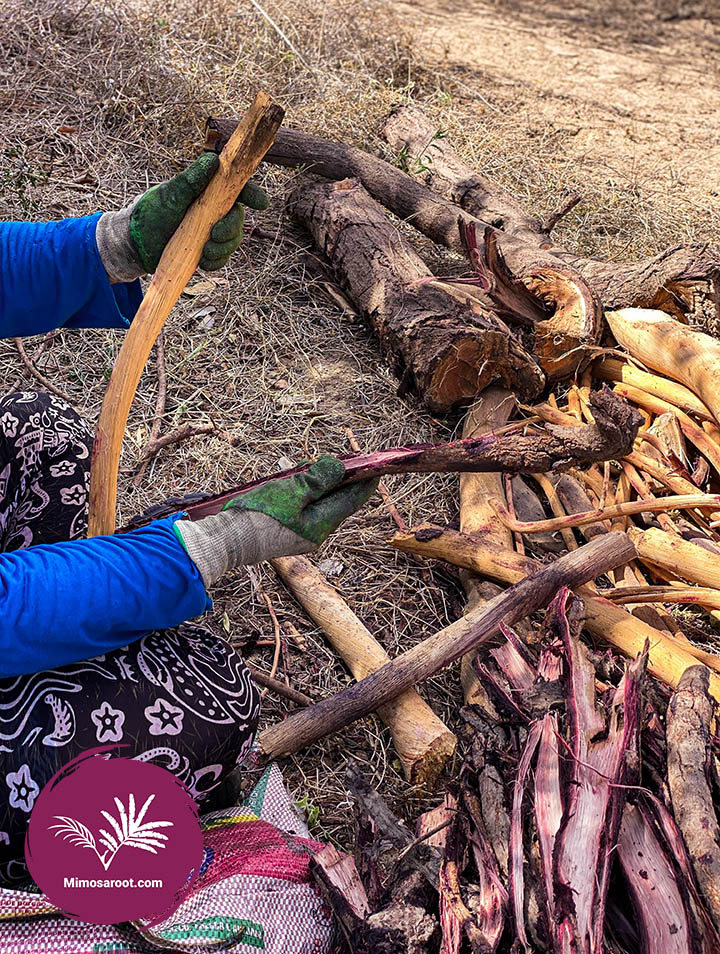
Mimosa_Hostilis_bark_stripping-the-bark_from_root_2

How is Mimosa root bark processed?

1. Introduction: Unveiling Nature’s Secret Ingredient

Mimosa hostilis root bark, often hailed as a botanical treasure, has captivated the attention of herbalists, artisans, and natural product enthusiasts alike. This vibrant root bark is renowned for its unique chemical composition, rich natural dyes, and historical use in traditional medicine. But what makes it so special lies in how it’s processed — a meticulous journey that transforms raw roots into usable, high-quality materials.

In this article, we’ll explore each step of this fascinating process — from harvest to final form — revealing how nature’s beauty is carefully preserved and enhanced.

2. Harvesting the Treasure: Where It All Begins

The process begins deep in the soils of South and Central America, where the Mimosa tenuiflora tree thrives. Harvesters carefully dig around the base of mature trees to expose the root system, selecting only sustainable portions to ensure regrowth and environmental balance.

By using ethical harvesting methods, local communities maintain the ecological harmony of their forests. Each root extracted is a testament to centuries-old knowledge passed through generations — combining respect for nature with practical skill.

3. Cleaning the Roots: The First Step Toward Purity

Once harvested, the roots are thoroughly cleaned to remove soil, debris, and other impurities. This stage is crucial because even minor contaminants can affect the quality of the final product.

Clean water, soft brushes, and natural drying methods are often employed to ensure the roots remain intact. Through gentle handling, processors protect the delicate outer layers that contain the bark’s most potent compounds.

4. Peeling the Bark: Separating Power from the Core

Next comes the careful peeling of the bark — a step that requires precision and patience. Workers manually strip the thin, fibrous layer from the woody core. This outer layer is where the magic resides — it contains tannins, pigments, and alkaloids that make the bark so valuable.

This task is usually done by hand to avoid damaging the fibers, ensuring that the bark maintains its integrity for further processing. The goal is to preserve its natural structure while preparing it for the drying phase.

5. Drying the Bark: Locking in Natural Goodness

After peeling, the bark is spread out under sunlight or placed in controlled drying environments. This helps reduce moisture content while maintaining the bark’s vivid color and essential compounds.

Natural sun drying is preferred for its eco-friendliness and ability to retain potency. However, in humid conditions, low-heat drying chambers are used to prevent mold formation and ensure consistency in quality.

6. Grinding and Shredding: From Bark to Fine Material

Once dried, the bark undergoes grinding or shredding, depending on its intended use. Shredded bark is often used for traditional preparations, while powdered forms are ideal for extracts and dyes.

This step transforms the coarse material into fine, manageable textures. Modern mills or manual grinders help achieve the desired consistency while keeping the product’s natural essence intact.

7. Extraction and Refinement: Unlocking the Core Components

In many cases, the bark is then used to produce liquid or powdered extracts. Using natural solvents such as water or alcohol, technicians draw out valuable phytochemicals like tannins, saponins, and tryptamines.

The resulting extract undergoes filtration to remove impurities, leaving behind a concentrated essence of Mimosa root bark’s therapeutic and cosmetic potential. This extract is then used in skincare, natural dyeing, and herbal remedies.

8. Quality Testing: Ensuring Excellence in Every Batch

Every batch of processed bark is tested for purity, potency, and safety. Reputable producers perform laboratory analyses to verify the concentration of active compounds and ensure there are no contaminants.

Through these rigorous quality checks, consumers receive a product that meets international standards — safe, natural, and effective. This attention to detail distinguishes top-grade Mimosa root bark from lower-quality alternatives.

9. Packaging and Preservation: Protecting Nature’s Gift

Finally, the processed bark or its extracts are sealed in air-tight, eco-friendly packaging to prevent exposure to moisture and light. Proper storage ensures the bark’s longevity and maintains its aromatic and visual appeal.

Producers often opt for biodegradable or recyclable materials to align with sustainable practices. This final step ensures that from root to shelf, the journey of Mimosa root bark remains both ethical and environmentally responsible.

10. Conclusion: A Journey of Transformation and Respect

The processing of Mimosa root bark is more than just a technical operation — it’s a blend of tradition, science, and sustainability. Each stage reflects a commitment to preserving nature’s gifts while crafting high-quality, versatile products.

Whether used in natural dyes, herbal skincare, or traditional healing, Mimosa root bark embodies the harmony between human ingenuity and ecological care. The next time you see this remarkable botanical, you’ll understand the dedication behind its transformation — from humble root to extraordinary natural resource.

Buy Jurema

Unraveling the Mysteries of Natural Inner Bark

Nature has always been humanity’s greatest teacher, revealing secrets that inspire healing, creativity, and balance. Among its hidden treasures lies the natural inner bark — a powerful botanical element cherished for its rich properties, vibrant color, and therapeutic potential. Let’s journey deep into the heart of nature and discover why inner bark has captivated healers, artisans, and nature lovers for centuries.

1. The Hidden Life Beneath the Bark

Every tree is a living ecosystem, and within its structure lies an extraordinary layer — the inner bark. Often overlooked, this layer carries nutrients from roots to leaves, symbolizing life and vitality. When responsibly harvested, it offers a remarkable array of natural benefits and applications.

Moreover, this seemingly simple layer has played a crucial role in traditional medicine, art, and dye-making across cultures. From the Amazon rainforest to ancient Asia, people have long recognized its healing power and rich color potential.

2. A Bridge Between Nature and Healing

Natural inner bark has been used for centuries as a cornerstone of herbal medicine. Rich in alkaloids, tannins, and other active compounds, it’s often transformed into powders, teas, and tinctures for holistic wellness. Its properties are believed to promote detoxification, immune support, and emotional balance.

Transitioning from traditional to modern wellness, researchers are now rediscovering the science behind its effects. The result? A renewed appreciation for this age-old botanical treasure that bridges ancient wisdom with contemporary healing.

3. The Art of Sustainable Harvesting

Ethical sourcing is at the heart of every high-quality botanical product. When it comes to natural inner bark, sustainability ensures the preservation of both trees and ecosystems. Responsible harvesters carefully remove the bark without harming the plant’s ability to thrive.

At mimosaroot.online, sustainability isn’t just a choice — it’s a commitment. Each product reflects harmony with nature, ensuring that the sacred balance of life is maintained for generations to come.

4. From Forest to Formula: The Transformation Journey

Once harvested, the inner bark undergoes a delicate drying and grinding process to preserve its nutrients and pigments. This transformation turns the bark into fine powder — ideal for crafting natural dyes, herbal remedies, and wellness products.

This careful process ensures that every ounce retains its natural potency. The result is a product that embodies the essence of nature — pure, vibrant, and full of life.

5. The Color of Nature: A Dye Like No Other

One of the most enchanting qualities of natural inner bark lies in its ability to produce deep, earthy hues. From reddish-brown to rich purple tones, it brings organic vibrancy to fabrics, cosmetics, and artistic creations.

Unlike synthetic dyes, this natural pigment is non-toxic, biodegradable, and eco-friendly. Artists and crafters love it not just for its beauty, but also for its authenticity — a color that tells a story written by nature itself.

6. Healing Beyond the Physical

Inner bark doesn’t just nurture the body; it also calms the mind and uplifts the spirit. Traditional healers believe it carries the energy of resilience, renewal, and connection — qualities that help restore emotional harmony.

When used in rituals, aromatherapy, or meditation, it serves as a natural bridge between physical and spiritual realms. Each use becomes a gentle reminder of the interconnectedness between humans and the earth.

7. The Science Behind Its Power

Modern research has started to uncover the biochemical secrets of inner bark. Compounds like flavonoids, saponins, and tannins contribute to its anti-inflammatory, antimicrobial, and antioxidant effects.

These discoveries validate what ancient cultures have known for centuries — that nature provides everything needed for restoration and wellness. The blend of ancient knowledge and scientific validation creates a perfect balance between tradition and innovation.

8. Why Choose Natural Over Synthetic

In an age dominated by artificial products, returning to natural ingredients is both a conscious and responsible choice. Natural inner bark offers authenticity, purity, and a lower environmental footprint compared to chemical alternatives.

At mimosaroot.online, we embrace this philosophy wholeheartedly. Our products are free from harmful additives, ensuring that every purchase supports both personal well-being and environmental integrity.

9. Bringing Nature Home

Whether you’re an artist seeking natural dyes, a wellness enthusiast exploring herbal remedies, or simply a nature lover drawn to authenticity, inner bark connects you directly with the wisdom of the earth.

With mimosaroot.online, you don’t just buy a product — you embrace a philosophy rooted in respect, purity, and sustainability. The beauty of nature’s inner bark awaits your discovery — vibrant, alive, and full of mystery.

Final Thoughts: Nature’s Timeless Gift

The journey through the mysteries of natural inner bark reveals more than just a plant — it unveils a philosophy of life. From healing traditions to artistic expression, it continues to shape how we connect with nature and ourselves.

By understanding and honoring this natural wonder, we move closer to a future where wellness, creativity, and sustainability coexist in perfect harmony.

Optimize Your Routine with Mimosa Tepezcohuite Nature’s Skin Secret

Optimize Your Routine with Mimosa Tepezcohuite: Nature’s Skin Secret

When it comes to radiant, youthful skin, few natural ingredients are as powerful as Mimosa Tepezcohuite. Known as “the skin tree” in Mexico, this ancient botanical remedy has been used for centuries to heal burns, soothe irritation, and rejuvenate tired skin. Today, it’s earning global recognition as one of nature’s best-kept skincare secrets. If you’re looking to optimize your skincare routine naturally, Mimosa Tepezcohuite may be the ingredient you’ve been missing.

What Is Mimosa Tepezcohuite?

Mimosa Tepezcohuite, scientifically known as Mimosa tenuiflora, is a tree native to southern Mexico and Central America. Traditionally used by the Mayans for its healing and antibacterial properties, its bark is rich in tannins, saponins, and flavonoids — compounds that help regenerate skin cells and protect against inflammation.

In modern skincare, Mimosa Tepezcohuite is used in creams, serums, and cleansers to promote healthy, glowing skin. It’s especially popular for people seeking chemical-free, natural alternatives that still deliver visible results.

The Skin Benefits of Mimosa Tepezcohuite

1. Promotes Skin Regeneration

Mimosa Tepezcohuite accelerates the regrowth of new skin cells, helping to repair damaged tissue. It’s often used in post-burn treatments and anti-aging formulations to reduce scars, wrinkles, and fine lines.

2. Fights Inflammation and Acne

Thanks to its antibacterial and anti-inflammatory properties, Mimosa Tepezcohuite helps calm acne-prone skin. It soothes redness, reduces breakouts, and prevents bacterial buildup — all while maintaining the skin’s natural moisture balance.

3. Hydrates and Protects

The bark extract forms a natural protective layer on your skin, locking in hydration and shielding it from environmental stressors. It’s an ideal solution for people dealing with dryness, irritation, or sun damage.

4. Brightens and Smoothens Skin Texture

Regular use of products with Mimosa Tepezcohuite can brighten dull skin, fade dark spots, and smooth uneven textures, leaving your complexion refreshed and radiant.

How to Incorporate Mimosa Tepezcohuite into Your Routine

Integrating Mimosa Tepezcohuite into your skincare regimen is easy and highly effective. Here’s how to make the most of this powerful ingredient:

  • Cleanser: Start your day with a Mimosa-based cleanser to gently remove impurities while nourishing your skin.
  • Serum: Apply a lightweight serum infused with Tepezcohuite extract to help boost collagen production and fight signs of aging.
  • Moisturizer: Lock in hydration with a natural cream containing this botanical wonder.
  • Night Routine: Before bed, use a repair cream to support overnight skin regeneration and healing.

Consistency is key — with regular use, you’ll notice a firmer, brighter, and healthier complexion.

Why Choose Natural Skincare with Mimosa Tepezcohuite

Unlike synthetic products filled with harsh chemicals, Mimosa Tepezcohuite offers a gentle yet effective approach to skincare. It works in harmony with your skin’s natural barrier, making it suitable for all skin types, including sensitive and mature skin.

Moreover, this ingredient aligns perfectly with the growing trend of eco-conscious beauty, where consumers seek sustainable, plant-based products that deliver visible results without harming the environment.

Best Time to Use Mimosa Tepezcohuite Products

You can use Mimosa-based skincare both morning and night, but for best results, include it in your evening routine. During sleep, your skin naturally repairs itself, and Mimosa Tepezcohuite enhances that process by stimulating cell turnover and regeneration.

Conclusion: Unlock Nature’s Secret to Radiant Skin

Nature has always offered powerful solutions for beauty and wellness — and Mimosa Tepezcohuite is proof of that. Its remarkable ability to heal, protect, and rejuvenate makes it a must-have ingredient for anyone serious about natural skincare.

Whether you want to reduce fine lines, fade scars, or simply achieve a glowing complexion, incorporating Mimosa Tepezcohuite into your daily routine will help you optimize your skincare naturally. Discover the difference this ancient botanical can make — your skin will thank you for it!

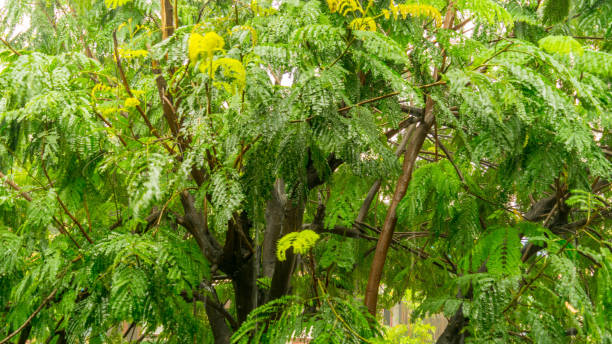
Image Of Beautiful Tree In Heavy Rain, Close Shot, Shot In Mumbai, India

How to Extract DMT from Mimosa Hostilis: A Step-by-Step Guide

DMT, or N,N-Dimethyltryptamine, is a powerful psychedelic known for its intense, short-lived effects, often used in cultural and religious contexts, especially in South America. Mimosa Hostilis, also called Mimosa Tenuiflora, is a plant native to parts of South and Central America, with its root bark containing DMT, making it a popular source for extraction.

Legal and Safety Considerations

While Mimosa Hostilis root bark is legal to possess and sell in the US for purposes like dyeing and research, extracting DMT from it may be subject to legal restrictions. Always check local laws before attempting extraction. Handling chemicals like sodium hydroxide (lye) and naphtha requires protective gear and a well-ventilated area to avoid injury.

Extraction Process Overview

The extraction process typically involves grinding the root bark, creating a lye solution, mixing it with the plant material, using naphtha to separate DMT, and evaporating the solvent to obtain crystals. For 50 grams of root bark, use 750 ml water, 50 grams lye, and 50 ml naphtha, ensuring safety precautions are followed.

For purchasing high-quality Mimosa Hostilis root bark, consider mimosaroots.online, offering products like Ethically Sourced, Powder, and Shredded Bark.


Comprehensive Survey Note on Extracting DMT from Mimosa Hostilis

Background and Significance

DMT, or N,N-Dimethyltryptamine, is a potent psychedelic substance found in various plants and animals, including humans. It is renowned for its rapid onset and intense effects, lasting about 5 to 15 minutes when inhaled or injected, and up to three hours when orally ingested with a monoamine oxidase inhibitor (MAOI), such as in ayahuasca brews (N,N-Dimethyltryptamine – Wikipedia). Its use in religious ceremonies, particularly in South America, has attracted scientific interest for potential anxiolytic and antidepressant effects (DMT: Side effects, facts, and health risks – Medical News Today).

Mimosa Hostilis, now scientifically known as Mimosa Tenuiflora, is a perennial tree or shrub native to northeastern Brazil and extending to southern Mexico, among other regions (Mimosa tenuiflora – Wikipedia). Its root bark is noted for containing DMT, with studies indicating a content of about 0.31% to 0.57%, and up to 2% in the inner root bark (DMT extraction using lye (sodium hydroxide) and naphtha – PsychonautWiki). This makes it a significant source for DMT extraction, traditionally used in rituals like the ajuca ceremony of the Jurema cult in Brazil (Mimosa hostilis | plant | Britannica).

Legal Status and Safety Concerns

The legal status of Mimosa Hostilis root bark in the US is clear: it is legal to buy, sell, and grow for purposes such as dyeing and research, provided it is not intended for human consumption or DMT extraction (Is Mimosa Hostilis Root Bark Legal in USA? – mimosahostilisrootbark.net). However, DMT itself is classified as a Schedule I controlled substance in the US, meaning it is illegal to manufacture, buy, possess, or distribute outside of authorized research (What Is DMT? – WebMD). This distinction is crucial, as large-scale extraction or importation of DMT-containing plants could lead to legal issues (Erowid Mimosa (Jurema) Vault : Legal Status).

Safety is paramount when handling the extraction process, given the use of hazardous chemicals like sodium hydroxide (lye), which can cause chemical burns, and organic solvents like naphtha, which are flammable and require ventilation (The Super Simple DMT Extraction Guide | The Psychedelic Scientist). Protective gear, including gloves and goggles, is essential, and any spills should be neutralized with vinegar to prevent injury.

Extraction Methodology

The extraction of DMT from Mimosa Hostilis root bark typically follows an acid-base (A/B) methodology, with detailed steps outlined in various sources. Below is a standardized process based on reliable guides, using ratios and procedures for 50 grams of root bark as an example:

Step Procedure Materials Needed Safety Notes
1. Prepare Material Grind 50g Mimosa Hostilis root bark into fine powder using a blender. Mimosa Hostilis root bark, blender Wear mask to avoid inhaling powder.
2. Make Lye Solution Dissolve 50g sodium hydroxide in 750ml water, adding lye slowly while stirring. Water, sodium hydroxide (lye) Wear gloves, goggles; neutralize spills with vinegar.
3. Mix and Soak Add powdered bark to lye solution, stir thoroughly, and let sit for 1 hour. Mixing jar with lid Ensure tight lid to avoid leaks.
4. Solvent Extraction Add 50ml naphtha, shake vigorously, let settle to separate solvent layer. Naphtha, separatory funnel or jars Work in well-ventilated area; naphtha is flammable.
5. Separate and Evaporate Collect solvent layer, filter through coffee filter, evaporate in ventilated area to get DMT crystals. Coffee filter, evaporation dish Avoid heat sources; ensure good airflow.

This table summarizes the process, with ratios derived from sources like The Psychedelic Scientist and PsychonautWiki, which suggest a 1:15:1:1 ratio of plant material:water:lye:solvent by weight or volume for 50g starting material.

Variations and Additional Notes

Different solvents, such as n-hexane, ethyl acetate, n-butanol, dichloromethane, and chloroform, have been tested for DMT extraction, with varying efficiencies (Internet method for the extraction of N,N-dimethyltryptamine from Mimosa hostilis roots – Akjournals). The choice of solvent can affect yield, but naphtha is commonly used due to availability and effectiveness. Experimental yields can range from 0g to 4.5g DMT from 500g of root bark, depending on adherence to procedure and quality of material (DMT extraction using lye (sodium hydroxide) and naphtha – PsychonautWiki).

For beginners, it’s recommended to start with a smaller batch, such as 200g, to gain experience and adjust techniques (The Super Simple DMT Extraction Guide | The Psychedelic Scientist). The process may vary slightly based on specific conditions, and additional purification steps can enhance purity, though this increases complexity.

Commercial Availability and User’s Shop

For those interested in purchasing Mimosa Hostilis root bark, mimosaroots.online offers ethically sourced products suitable for dyeing and research. Their inventory includes:

These products are highlighted for their quality and legal uses, aligning with the article’s emphasis on compliance with regulations.

Conclusion

Extracting DMT from Mimosa Hostilis root bark is a chemically intensive process with significant legal and safety implications. While the methodology is well-documented, it requires careful adherence to safety protocols and legal frameworks. This survey note provides a detailed overview, ensuring readers are equipped with the necessary information for educational purposes, while promoting responsible and lawful engagement with the plant material.

What to Look for When Buying High-Quality Mimosa Hostilis Root Bark

What to Look for When Buying High-Quality Mimosa Hostilis Root Bark

Introduction: Why Quality Matters When Buying Mimosa Hostilis Root Bark

With its range of uses and benefits, Mimosa Hostilis root bark has become increasingly popular. However, the quality of Mimosa Hostilis can vary widely, so knowing what to look for ensures you get the best value and efficacy. Here’s a comprehensive guide on what to check before buying Mimosa Hostilis root bark.


1. Source and Origin

The best Mimosa Hostilis is sourced from its native regions, such as northeastern Brazil and Mexico, where it grows naturally in rich soil. When purchasing, look for suppliers who disclose the origin of their products. The source affects the potency, quality, and overall effectiveness of the root bark.


2. Quality of Processing

Processing methods play a crucial role in preserving the natural properties of Mimosa Hostilis. High-quality Mimosa Hostilis is dried and ground with minimal interference to retain its potency.

  • Drying Method: Sun-dried bark is ideal as it retains more nutrients and potency than products processed through industrial methods.
  • Grinding Process: Powdered Mimosa Hostilis should be finely ground, ensuring it’s easy to use without losing essential compounds. Shredded or chipped forms should also be processed cleanly.

3. Forms Available: Powder, Shredded, and Chips

Mimosa Hostilis root bark is available in various forms, each with its unique applications. Choosing the right form depends on your intended use.

  • Powder: Ideal for making extracts, skincare, or wellness products.
  • Shredded: Commonly used in tea or infusions due to its easy extraction process.
  • Chips: Preferred for long-term storage and specific traditional uses.

Ensure that the form you choose aligns with your wellness or personal care needs. Read more on the different forms of Mimosa Hostilis: powder, shredded, and chips.


4. Purity and Additives

High-quality Mimosa Hostilis should be free from any additives, fillers, or preservatives. Always check for product purity to ensure you are purchasing 100% natural root bark.

  • No Fillers: Avoid products with unnecessary fillers, which can reduce effectiveness and may cause allergic reactions.
  • Chemical-Free: Look for certifications or lab tests that show the product is free from harmful chemicals or pesticides.

5. Sustainable and Ethical Harvesting

Sustainability is essential when purchasing Mimosa Hostilis root bark. Ethically harvested products not only preserve the environment but also support local communities.

  • Environmentally Conscious Suppliers: Look for suppliers who practice sustainable harvesting methods to protect Mimosa Hostilis populations.
  • Ethical Treatment of Local Workers: Purchasing from fair-trade sources ensures that harvesters are fairly compensated and that their communities benefit.

Supporting sustainable practices helps protect the ecosystem where Mimosa Hostilis naturally grows, benefiting both the environment and the people involved in its cultivation.


6. Certifications and Lab Testing

For peace of mind, choose products that have been lab-tested or certified. Testing can confirm the quality, purity, and safety of Mimosa Hostilis.

  • Lab Reports: Quality suppliers often provide lab reports or Certificates of Analysis (COA), which verify that the product is free of contaminants.
  • Organic Certification: Organic certifications add another level of assurance, ensuring the root bark is free from pesticides and chemicals.

Lab testing also helps ensure the bark has the expected potency, supporting safe and effective use.


7. Color and Aroma

High-quality Mimosa Hostilis root bark has a distinct color and aroma, which can vary slightly based on the region. Familiarizing yourself with these characteristics can help identify authentic products.

  • Color: Quality Mimosa Hostilis is typically a rich, reddish-brown color, while low-quality products may appear faded or off-color.
  • Aroma: It has an earthy, woody aroma, while poor-quality products may have little to no scent.

These sensory indicators can help you differentiate between high-quality and low-quality products, especially when ordering online.


8. Packaging and Storage

Proper packaging is essential to maintain the potency and freshness of Mimosa Hostilis. Ensure the product is packaged in airtight, moisture-resistant containers.

  • Vacuum-Sealed Bags: Vacuum-sealed packaging helps preserve the root bark’s potency by preventing exposure to moisture and air.
  • Opaque Containers: Mimosa Hostilis should be stored in dark, opaque containers to protect it from light, which can degrade its quality over time.

For more tips on maintaining potency, see our guide on how to store Mimosa Hostilis root bark.


9. Supplier Reputation and Reviews

Lastly, choose suppliers with a strong reputation and positive customer reviews. Researching suppliers beforehand can help ensure you’re buying a reliable, high-quality product.

  • Customer Reviews: Look for detailed reviews that mention quality, potency, and the supplier’s customer service.
  • Supplier Transparency: Trustworthy suppliers are transparent about their sourcing, processing, and quality control practices.

Selecting a reputable supplier increases the likelihood of receiving a high-quality Mimosa Hostilis product and ensures a positive purchasing experience.


Conclusion: Choosing High-Quality Mimosa Hostilis for Optimal Benefits

Knowing what to look for when buying Mimosa Hostilis root bark is essential for maximizing its benefits. From sourcing to packaging, each factor plays a crucial role in quality. By following this guide, you’ll be well-equipped to make an informed choice, ensuring you enjoy the best Mimosa Hostilis has to offer.

Mimosa Hostilis in wellness

The Evolution of Mimosa Hostilis in Modern Wellness Practices

Table of Contents

Introduction: Mimosa Hostilis’s Place in Wellness Today

Over the years, Mimosa Hostilis has seen a fascinating evolution, transitioning from traditional practices in South America to becoming a staple in modern wellness. Known for its antioxidant-rich properties and natural healing abilities, this plant has become popular in skincare, meditation, and holistic health practices worldwide. Let’s explore how it has adapted to the needs of today’s wellness seekers.


1. Traditional Roots of Mimosa Hostilis in Healing

Primarily, In South America, MHRB has long been prized for its natural healing properties, often used by indigenous communities for wounds, burns, and skin conditions.

  • Wound Healing: The bark has a unique ability to promote skin regeneration, making it effective in treating wounds and burns.
  • Spiritual Uses: It was traditionally used in ceremonies to enhance mental clarity and connection.
  • Natural Dyeing: Even as a dye, it was thought to offer protective qualities in ceremonial clothing and art.

The history of MHRB in these traditional practices laid the foundation for its adoption in modern wellness.


2. MHRB in Holistic Skincare

Secondly, One of the most popular uses for it today is in natural skincare, where it has become a favored ingredient for its gentle yet effective healing properties.

  • Anti-Inflammatory Benefits: The tannins and antioxidants in MHRB reduce inflammation, soothing various skin conditions.
  • Collagen Production: MHRB encourages collagen synthesis, making it beneficial for rejuvenating aging skin.
  • Scar Reduction: Many wellness brands are using MHRB extracts to help reduce scarring, an evolution from its traditional wound-healing properties.

As interest in plant-based skincare grows, MHRB continues to make its mark, appealing to those seeking natural, sustainable skincare solutions.


3. Mimosa Hostilis for Meditation and Mindfulness

Recently, MHRB has become popular in meditation and mindfulness practices, providing mental clarity and stress relief.

  • Calming Effects: Many wellness practitioners incorporate MHRB in aromatherapy and teas to promote relaxation and reduce stress.
  • Focus Enhancement: Its subtle psychoactive qualities make it a valuable tool for enhancing focus during meditation sessions.
  • Mind-Body Connection: MHRB helps foster a deeper mind-body connection, often used in wellness retreats and meditation circles.

This application in mindfulness has made MHRB a valuable asset in stress relief and overall mental wellness.


4. Wellness Drinks and Supplements Featuring Mimosa Hostilis

In recent years, MHRB has made its way into wellness drinks and supplements as part of a holistic approach to health.

  • Energy Boost: MMHRB has adaptogenic qualities that help the body manage stress and improve energy levels.
  • Digestive Health: Some practitioners use MHRB extracts in digestive health supplements for its soothing effects on the digestive system.
  • Immune Support: With its high antioxidant content, MHRB is being studied for its potential immune-boosting effects.

These applications reflect how it is being integrated into comprehensive health practices that promote long-term well-being.


5. The Role of Mimosa Hostilis in Sustainable Wellness

The rise of sustainable wellness has contributed significantly to the popularity of it, as consumers seek out eco-friendly products.

  • Ethically Sourced: MHRB is commonly sourced through fair-trade practices that support South American communities.
  • Low-Impact Harvesting: As a plant that grows quickly, Mimosa Hostilis aligns with eco-conscious harvesting methods, minimizing environmental impact.
  • Zero-Waste Skincare: The powder, extract, and even chips of it can be used in products, reducing waste and supporting sustainable wellness.

With sustainability as a top priority, MHRB is uniquely positioned to cater to consumers who value both wellness and environmental responsibility.


6. Embracing Mimosa Hostilis in DIY Wellness Practices

The accessibility of Mimosa Hostilis root bark powder has also led to a rise in its use in DIY wellness practices.

  • DIY Skincare: Many wellness enthusiasts use Mimosa Hostilis to create their own face masks, scrubs, and hair treatments at home.
  • Herbal Remedies: Mimosa Hostilis is sometimes included in at-home herbal remedies for minor cuts, burns, and skin irritations.
  • Personalized Wellness: As people look for customizable wellness options, DIY Mimosa Hostilis blends provide a personalized approach to health and skincare.

DIY practices have given consumers direct control over their wellness routines, and Mimosa Hostilis serves as an ideal ingredient for such customizations.


Conclusion: The Growing Role of Mimosa Hostilis in Wellness

From traditional South American uses to its modern applications in skincare, meditation, and DIY wellness, Mimosa Hostilis has evolved significantly. This powerful plant is shaping the future of wellness by offering natural, sustainable solutions that meet the needs of today’s conscious consumers. As Mimosa Hostilis continues to make its mark, it reaffirms its place as a timeless, versatile ingredient in the journey to holistic well-being.

Mimosa Hostilis in wellness