
Tag: mimosa hostilis seeds scarification
-
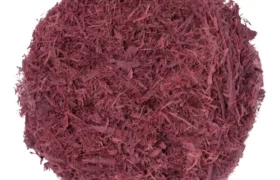
Root Bark Guide: Mimosa Hostilis & MHRB Powder
Root bark has become a widely searched botanical term due to its traditional, cultural, and commercial relevance—especially when referring to Mimosa hostilis root_bark and Mimosa tenuiflora root_bark powder. Across global markets such as the USA, buyers look for information on mimosa hostilis root_bark powder 1kg, pricing, sourcing, quality, and legal considerations. This article provides a…
-
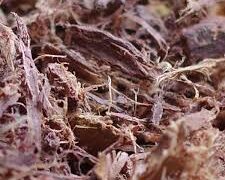
Mimosaroots: Benefits, Uses, and What You Should Know
Mimosaroots Mimosaroots have been used for centuries in traditional practices, valued for their versatility and natural properties. Today, interest in mimosaroots continues to grow as more people explore plant-based materials for crafts, natural dyes, and ethnobotanical research. Understanding what mimosaroots are, where they come from, and how they’re commonly used can help you make informed…
-
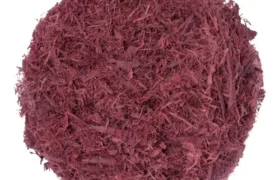
Mimosa Bark: Mimosa Hostilis Root Bark, Powder, and Wholesale Options
Mimosa bark continues to attract global attention as one of the most researched ethnobotanical materials today. Derived from the mimosa hostilis root bark, this natural product plays an important role in traditional practices across South America. Over time, interest has expanded internationally, especially among buyers searching for mhrb powder, mimosa hostilis root bark shredded, and…
-
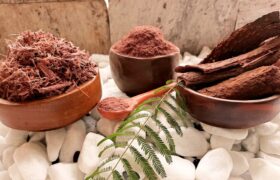
Buy Jurema: Complete Guide 2025
Many people searching online for the term “buy Jurema” may not fully understand what Jurema is, its cultural significance, or the legal implications of obtaining it. The interest in this search term has grown significantly in recent years, often driven by curiosity about traditional South American practices, botanical research, or natural dyes. Before anyone considers…
-
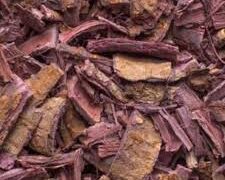
Mimosa Hostilis Seeds: How to Grow Your Own Plant for Dyeing & Research
Mimosa Hostilis, also known as Mimosa Tenuiflora, is a perennial tree native to parts of South and Central America. Its seeds are small, flat, and light brown, about 3-4 mm in diameter, found in pods containing 4-6 seeds each. These seeds are primarily used for propagating the plant, allowing enthusiasts to grow their own Mimosa…